
"1957 Brazil frost"
200 article(s) found

Description of Latin American coffee flavor, introduction of Latin American coffee
The characteristics of the flavor of Central and South America: balanced, moderately sour and mellow Central and South America is the world's largest coffee producing area, where there are numerous boutique coffees. Take Colombia, Guatemala or Brazil as an example, good coffee is enough to make people dazzling. What is the resource advantage that makes Central and South America so good? French naval officer Gabriel Ma in 1721

Introduction of Coffee from 53 Coffee producing areas in the World (2)
eleven. Mexico coffee from the world's fourth largest coffee producer, slippery and fragrant Mexico, the fourth largest coffee producer in the world, produces about 5 million bags of coffee a year. Most of its coffee is produced by nearly 100000 small farmers, and large estates that once manipulated the coffee industry are rare. The yield of Mexican coffee is about 630 kg per hectare. Later, the Mexican Coffee Association (Institu)

Boutique Coffee introduction to 53 Coffee producing areas in the World 3
thirteen. The coffee grown in the highlands of Panama is absolutely high quality, but the plantation coffee is not yet on the market. Panama coffee is smooth, light and sour, and its high-quality coffee beans are pure and distinctive. The first batch of coffee exported each year is shipped in November, and almost all high-quality coffee beans are shipped to France and Finland. The best coffee is grown in the north of the country, that is,

What kinds of coffee beans do you have in Latin America? How much is the price of Latin American coffee beans? half a pound
Professional coffee knowledge exchange more coffee bean information Please pay attention to the coffee workshop (Wechat official account cafe_style) at present, there is no choice for people to choose from the wide variety of coffee beans imported from all over the world. Here will introduce the main producing areas and characteristics of coffee beans in Latin America as a reference for coffee purchase. The characteristics of Central and South American taste: balanced, moderate acidity and mellow mid-south

Types and characteristics of Bolivian coffee beans
In the past, coffee trees in Bolivia used to act as hedges and ornaments around the garden. Real commercial production began in the early 1950s. The great frost of 1957 seriously damaged Brazil's coffee industry, while Bolivia (Bolivia) benefited from it and developed rapidly. Bolivian coffee is grown at an altitude of 180,670 meters above sea level.

Data of 25 coffee producing countries in the world (part two)
The word coffee comes from the Greek word Kaweh, which means strength and enthusiasm. Coffee tree is a small evergreen tree of Rubiaceae. Coffee for daily consumption is made from coffee beans combined with various cooking utensils, and coffee beans refer to the nuts in the fruit of coffee trees, which are then roasted by appropriate roasting methods. All over the world, people like drinking coffee more and more. The coffee text that followed
World Map of Coffee beans-introduction of 53 Coffee producing areas in the World
one. Costa Rican coffee has full grains, ideal acidity and unique strong aroma. Tarrazu of Costa Rica is one of the major coffee producing areas in the world. Costa Rica, with its fertile volcanic soil and good drainage, is the first country in Central America to grow coffee and bananas for commercial value. Coffee and

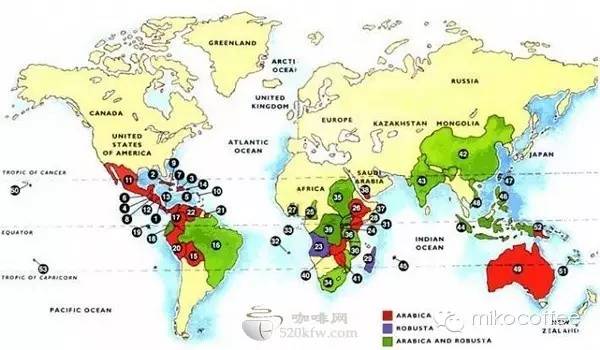
World Map of Coffee beans-take you to know 53 coffee producing areas around the world
There are shadows of coffee beans in many parts of the world, and they can grow normally as long as the climate is right. These places suitable for the cultivation of coffee beans, usually located between the Tropic of Cancer and the Tropic of Cancer, are called coffee growth zones. R: Robusta coffee beans M: mixed coffee beans A: Arabica coffee beans one. Costa Rican coffee has full grains, ideal acidity and aroma.
World boutique Coffee beans: the first introduction to Coffee from 53 Coffee producing areas in the World (to be continued)
one. Costa Rican coffee has full grains, ideal acidity and unique strong aroma. Tarrazu of Costa Rica is one of the major coffee producing areas in the world. Costa Rica, with its fertile volcanic soil and good drainage, is the first country in Central America to grow coffee and bananas for commercial value. Coffee and fragrance

There are 25 coffee producers around the world. Let's learn about it together.
Following caf é (Wechat official account vdailycom) found that Beautiful Cafe opened a small shop of its own in the world of bulk trade, in addition to our common soybeans, steel, crude oil, non-ferrous metals and other varieties, there are also many infrequently heard of but also very large trade varieties, such as cocoa, coffee and so on. The word coffee comes from the Greek word Kaweh, which means strength and enthusiasm.

Do you understand so many varieties and places of origin?
In the world of bulk trade, in addition to our common varieties such as soybeans, steel, crude oil and non-ferrous metals, there are also many varieties that are not often heard of, but the trade volume is also very large, such as cocoa, coffee and so on. The word coffee comes from the Greek word Kaweh, which means strength and enthusiasm. Coffee tree is a small evergreen tree of Rubiaceae. Coffee beans are used for daily drinking.

Arabica coffee beans, what is the knowledge of coffee cold all over the world?
Professional coffee knowledge exchange for more information about coffee beans, please follow the coffee workshop (Wechat official account cafe_style) one. Costa Rican coffee has full grains, ideal acidity and unique strong aroma. Tarrazu of Costa Rica is one of the major coffee producing areas in the world. The volcanic soil in Costa Rica is very fat.

Which coffee beans are Arabica beans? what kinds of Arabica coffee are there and which ones taste better?
Professional coffee knowledge exchange more information about coffee beans please follow the coffee workshop (Wechat official account cafe_style) Arabica coffee category one. Costa Rican coffee has full grains, ideal acidity and unique strong aroma. Tarrazu of Costa Rica is one of the major coffee producing areas in the world. Costa Rica
Have a comprehensive understanding of coffee
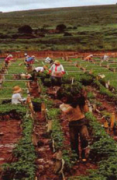
Legend of Coffee the person who first discovered coffee: a shepherd in Ethiopia, in the fifth and sixth centuries AD. It is said that Niankadi, a shepherd with talent as a poet, herded sheep on the mountain paths of the Ethiopian plateau every day. He liked to drive the sheep home with a shrill flute, but one day the flute sounded again and there was no sign of the sheep. He looked everywhere. Find sheep
Introduction of Coffee from 53 Coffee producing areas in the World
one. Costa Rican coffee has full grains, ideal acidity and unique strong aroma. Tarrazu of Costa Rica is one of the major coffee producing areas in the world. Costa Rica, with its fertile volcanic soil and good drainage, is the first country in Central America to grow coffee and bananas for commercial value. Coffee and fragrance
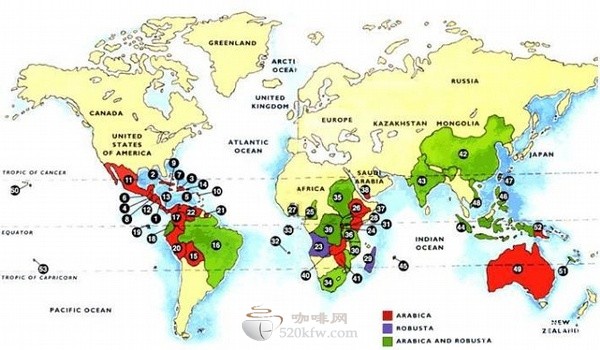
Coffee beans from 53 producing areas-enough to make you memorable
one. Costa Rican coffee has full grains, ideal acidity and unique strong aroma. Tarrazu of Costa Rica is one of the major coffee producing areas in the world. Costa Rica, with its fertile volcanic soil and good drainage, is the first country in Central America to grow coffee and bananas for commercial value. Coffee and fragrance

History of introduction and expansion of Coffee in China in the early stage of Coffee Development (5)
1. From the first peak period of the development of China's coffee industry (1952-1961) to the late 1940s, according to recorded figures, there are 2173.33 hectares of rubber plantations in Hainan Island, with a total of 867600 rubber trees, with an annual output of 199,000 tons of dry rubber, and more than 300,000 coffee plants. the annual output of coffee beans is 1 ton. According to a survey in the early 1950s, there was a large amount of coffee left in Fushan area of Chengmai County, with a total of 70,000.

History of introduction and expansion of Coffee in early China (5)
1. From the first peak period of the development of China's coffee industry (1952-1961) to the late 1940s, according to recorded figures, there are 2173.33 hectares of rubber plantations in Hainan Island, with a total of 867600 rubber trees, with an annual output of 199,000 tons of dry rubber, and more than 300,000 coffee plants. the annual output of coffee beans is 1 ton. According to a survey in the early 1950s, there was a large amount of coffee left in Fushan area of Chengmai County, with a total of 70,000.
Coffee planting History of Coffee introduction and expansion in China in the early stage (5)
1. From the first peak period of the development of China's coffee industry (1952-1961) to the late 1940s, according to recorded figures, there are 2173.33 hectares of rubber plantations in Hainan Island, with a total of 867600 rubber trees, with an annual output of 199,000 tons of dry rubber, and more than 300,000 coffee plants. the annual output of coffee beans is 1 ton. According to a survey in the early 1950s, there was a large amount of coffee left in Fushan area of Chengmai County, with a total of 70,000.